 FIELD
FIELD Rockhounding in Arizona
Turquoise and copper minerals, gem peridot, fire agate and ancient petrified wood — Arizona is a desert treasure box. Plan around the heat, learn the land status, and the Grand Canyon State will keep you busy for a lifetime.
Arizona’s mineral wealth grew out of two things: enormous copper deposits and a violent volcanic past. The copper porphyries gave the state its turquoise, chrysocolla, azurite and malachite; the volcanoes gave it peridot, fire agate, obsidian and Apache tears; and a Triassic floodplain left behind one of the world’s great petrified forests. The catch is the climate — this is cool-season collecting.
The geology behind the finds
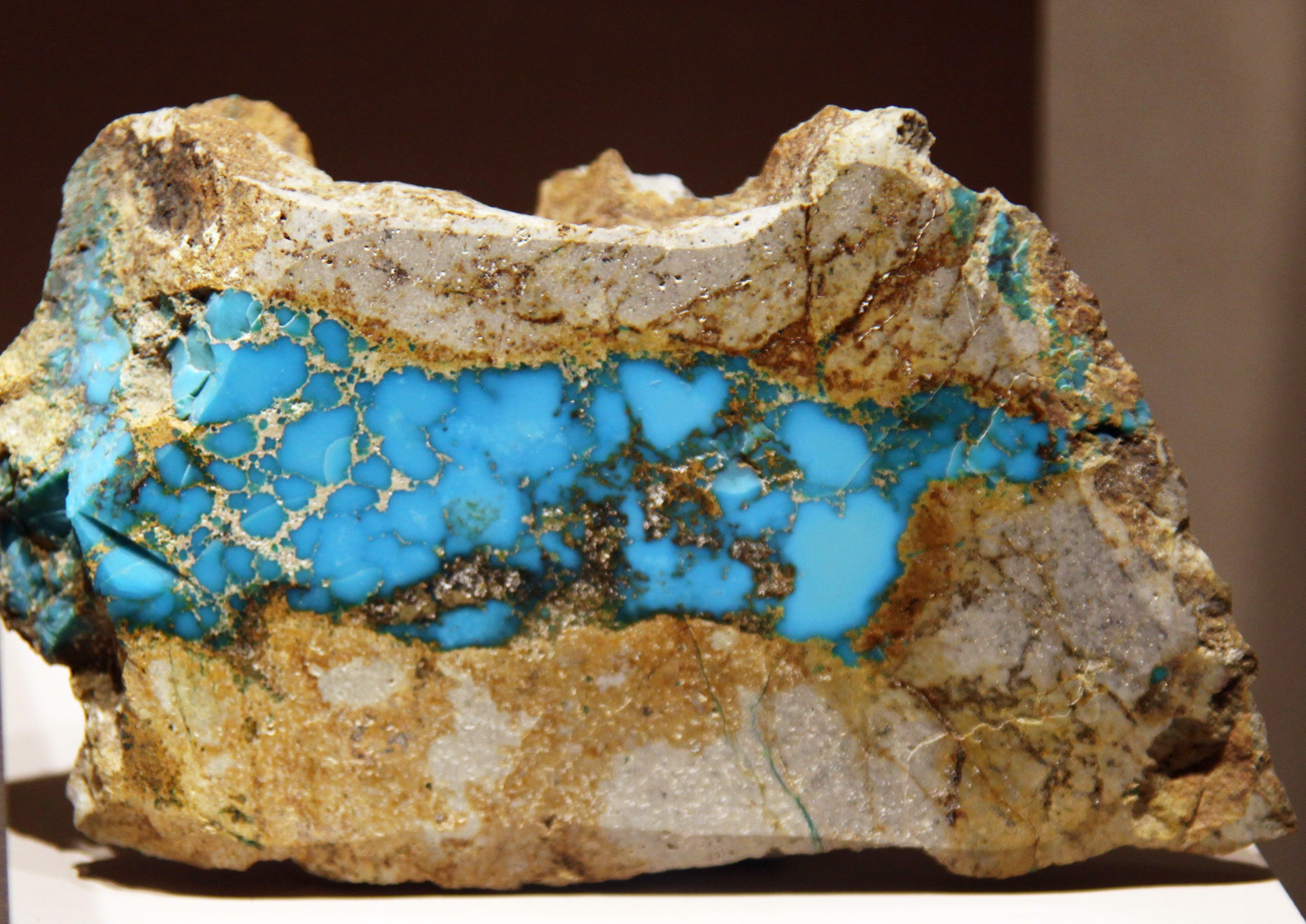
Arizona sits on a belt of giant copper porphyry deposits, and where copper-rich water weathered the rock it left turquoise, chrysocolla, malachite and azurite — the blue-green minerals the state is famous for. Separately, young volcanic activity produced the peridot of Peridot Mesa, the fire agate of the southeast, and obsidian “Apache tears.” And in the northeast, the Chinle Formation preserves the rainbow petrified logs of the Petrified Forest — though collecting inside the national park is strictly forbidden.
What you’ll find
Classic Arizona material
- Turquoise — the state gem; copper districts
- Peridot — Peridot Mesa / San Carlos area
- Fire agate — Black Hills area near Safford
- Copper minerals — chrysocolla, azurite, malachite (Bisbee)
- Petrified wood & quartz
Before you go
- Petrified Forest National Park: no collecting. Buy wood from shops outside the park.
- Peridot Mesa is tribal land (San Carlos Apache) — access requires permission/permit.
- BLM rockhound areas allow personal-use collecting.
- Featured dig: Black Hills fire agate near Safford (BLM).
- Read ethics & law first.
Fire agate is the connoisseur’s Arizona find — a brown chalcedony that hides flashes of iridescent red, orange and green, slowly ground down to reveal the fire. Peridot, the gem form of olivine, pours out of Peridot Mesa in quantity (though access is controlled by the tribe). And the copper districts produce specimen-grade azurite, malachite and chrysocolla that fill display cases worldwide.
Where to go, region by region
Safford & the Black Hills
A BLM rockhound area near Safford is the classic place to dig fire agate — bring patience and a good eye, as the fire only shows once you grind into the chalcedony.
San Carlos area
Peridot comes from Peridot Mesa on the San Carlos Apache Reservation. This is tribal land: collecting is controlled by the tribe, so arrange access and permits first.
Copper country — Bisbee, Globe-Miami, Morenci
Historic districts like Bisbee are famous for azurite, malachite and chrysocolla. Most material now comes through shops, shows and old dumps where collecting is permitted — never enter active or fenced mine property.
The northeast & Payson
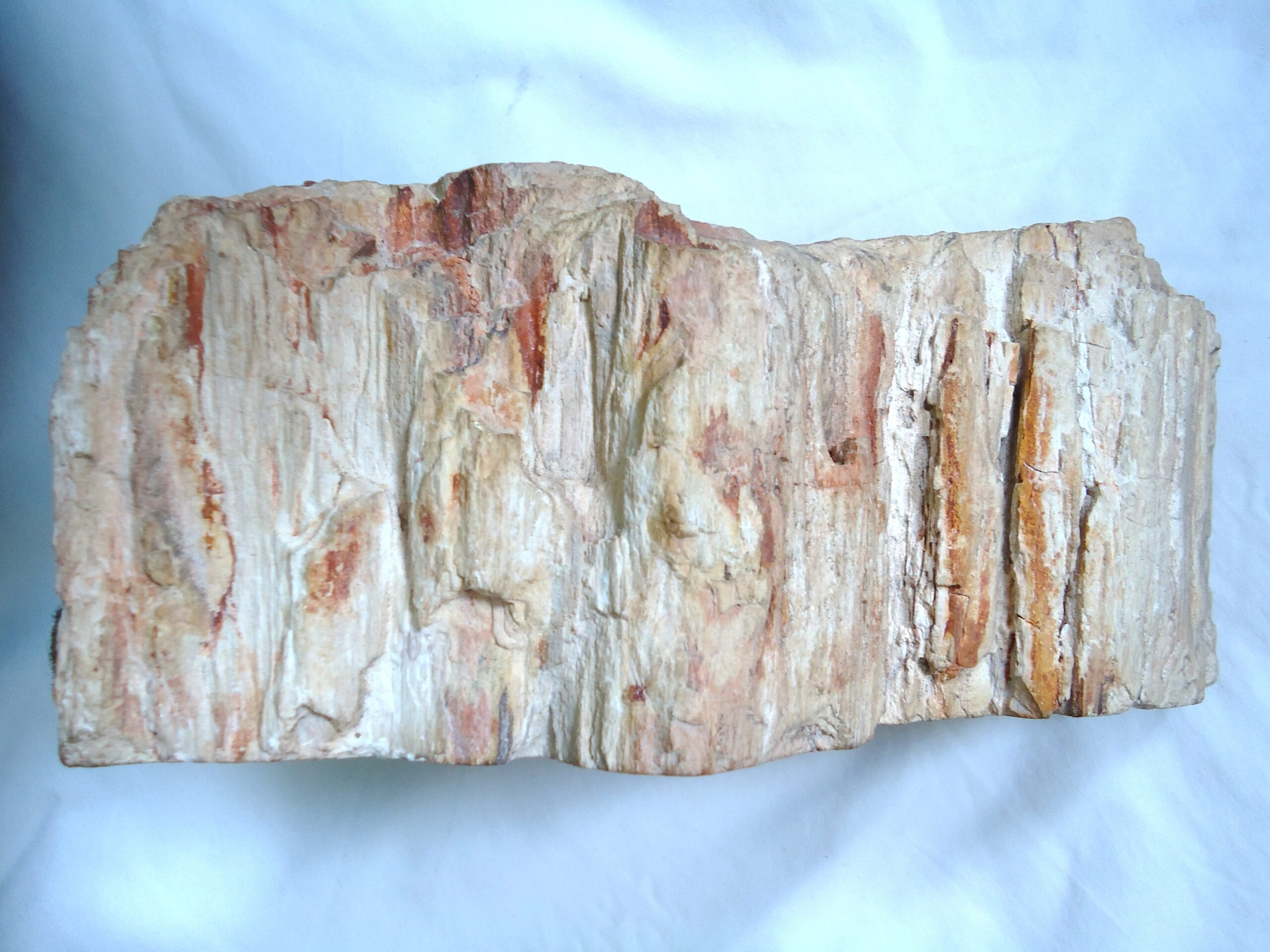
Petrified wood is abundant on private and some public land outside Petrified Forest National Park, and the Payson / Diamond Point area is known for clear quartz crystals.
When to go
Arizona’s low deserts are brutal in summer — October to April is the collecting season for the Safford, San Carlos and southern desert sites. Higher country around Payson and the Mogollon Rim is more forgiving and can be worked later into spring and earlier in fall.
Gear & field tips
- Sun protection, far more water than you think, and a vehicle suited to rough desert roads.
- For fire agate, a spray bottle helps you spot the chalcedony, and a small grinder reveals the fire later.
- Always carry a map showing land ownership — Arizona is a patchwork of BLM, state trust, tribal and private land.
Rules & access
Land status is the whole game in Arizona. BLM rockhound areas welcome personal-use collecting; tribal land (including Peridot Mesa) requires tribal permission; state trust land needs a permit; and national parks and monuments — above all Petrified Forest — prohibit collecting entirely. When in doubt, treat a site as off-limits and read our guide to collecting ethics & the law.
Clubs & shows
Arizona hosts the world’s biggest gem event — the Tucson shows each winter — plus many active clubs. A club is the simplest way to learn the legal sites and join field trips; browse our clubs directory.
Want Arizona turquoise without the desert drive?
Sponsored — partner shop · Minerals KingdomFrequently asked questions
Can I collect petrified wood in Arizona?
Not in Petrified Forest National Park — it’s illegal and strictly enforced. You can find petrified wood on some public and private land outside the park, and buy it legally from shops nearby.
Where can I find fire agate?
The BLM Black Hills rockhound area near Safford is the classic spot. The fire is hidden until you grind into the chalcedony, so it rewards patience.
Is the peridot at San Carlos open to the public?
Peridot Mesa is on the San Carlos Apache Reservation. Collecting is controlled by the tribe — arrange permission and any required permit before visiting.
Informational only — confirm access and the law with the managing agency before collecting. Written by The Field & Stone Editors · Published by KEVALEX Group.